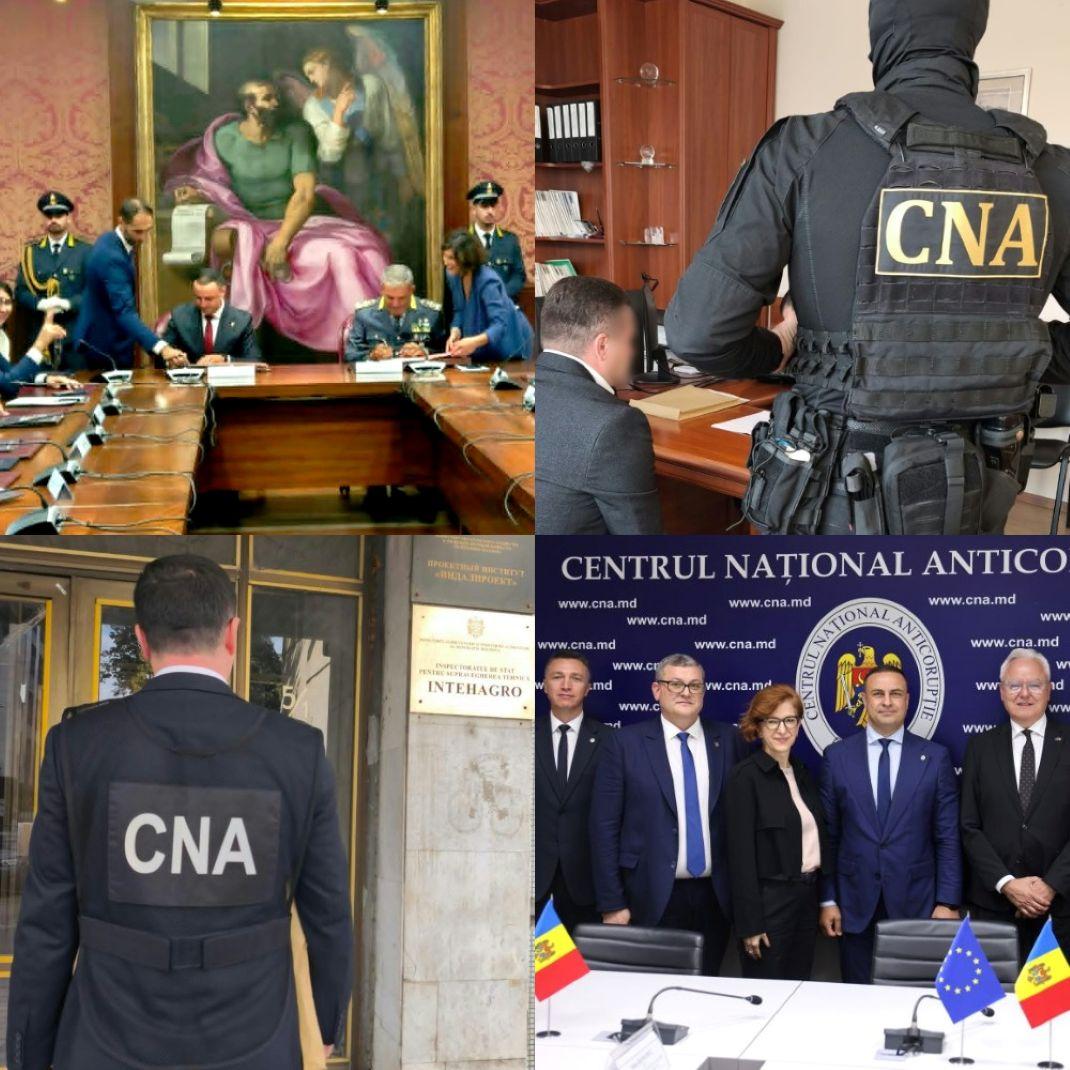
Over 530 individuals trained nationwide by the NAC on integrity and professional ethics
More than 530 people were trained by experts from the National Anti-corruption Centre (NAC) over the course of this week. Beneficiaries included tax officials from several regions, public administration managers, penitentiary system officers, and young volunteers. The activities took place both regionally and within specialized institutions, centered around institutional integrity, professional ethics, and corruption prevention.
The anti-corruption officers conducted information sessions for employees of the territorial tax service directorates in Cahul, Comrat, Ialoveni, and Căușeni. Discussions focused on integrity assurance and assessment measures, legal liability, specific risks in dealing with taxpayers, as well as the importance of transparency, impartiality, and accountability.
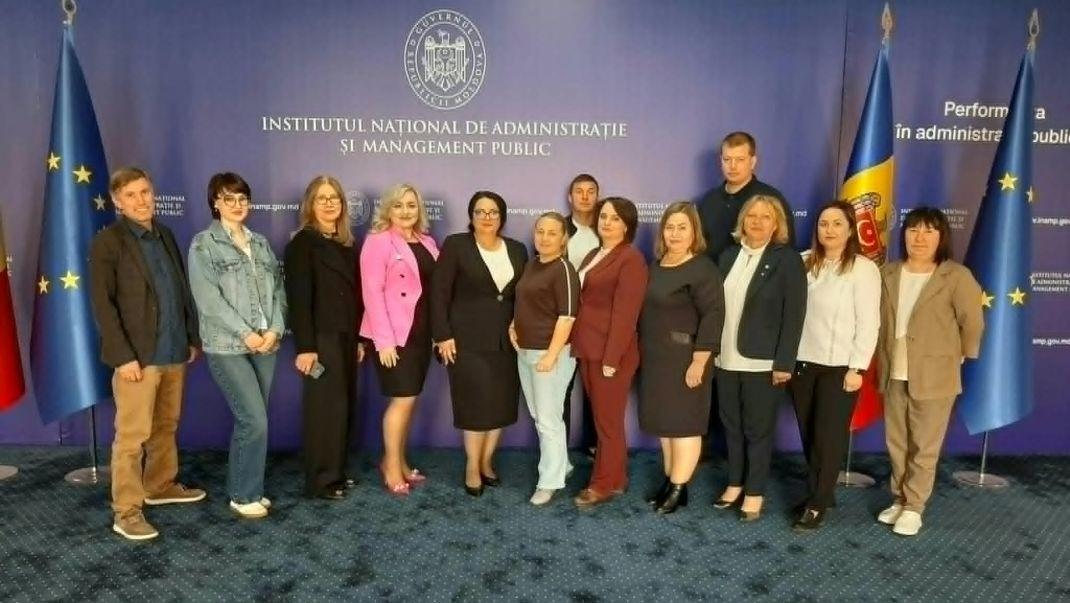
Additionally, in partnership with the National Institute of Administration and Public Management, the course "Institutional Ethics and Integrity" was organized to develop managerial and leadership skills among civil servants in leadership positions.
Another key component targeted the penitentiary sector. A continuous training course for officers was held at the specialized training center of the National Administration of Penitentiaries, focusing on ethical standards and the effective management of corruption risks.
Also, this week, the General Assembly of the NAC's anticorruption volunteers took place. During the working meeting, the youth set the direction for activities aimed at promoting ethics, integrity, and a proactive civic attitude within society.
The National Anti-corruption Centre continues its training and awareness-raising activities to strengthen a culture of integrity both among the younger generation and across the country's public institutions.